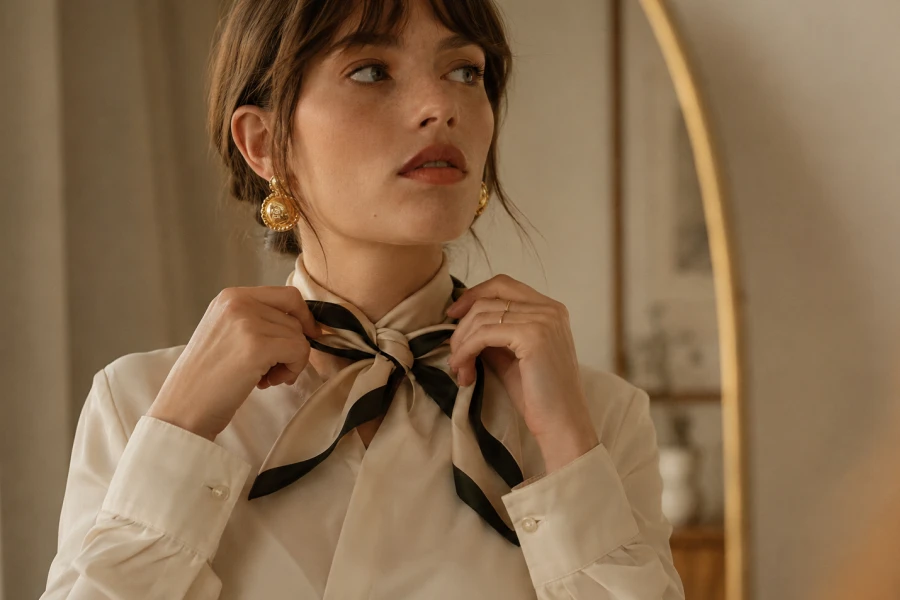
Fashion accessories styling matters because the final details often decide how an outfit feels. A plain shirt can look intentional with the right earrings. Simple trousers can feel more polished with a strong belt. A neutral dress can become personal with a scarf, bag, or necklace. These details do not need to be dramatic. They need to be chosen with purpose. Fashion accessories styling helps turn clothes into a finished look. It also gives your wardrobe more range. You can repeat the same outfit and change the entire mood through accessories.
Accessories create focus. They tell the eye where to look. A necklace draws attention upward. A belt defines the waist. A structured bag adds polish. Shoes can make an outfit casual, elegant, sharp, or relaxed. These details create meaning around simple clothing. That is why accessories are powerful in minimalist wardrobes. They make repetition feel fresh. With accessory outfit ideas, one base can serve different occasions. The clothes stay familiar, but the mood keeps changing.
Everyday accessories should be beautiful and functional. A comfortable belt matters if you wear it often. Earrings should feel light enough for long days. A bag should hold what you actually carry. Shoes should support your pace. These practical details affect confidence. An accessory that irritates you will not become part of your style. Fashion accessories styling works best when elegance meets real life. Choose pieces you can repeat without effort. A few trusted accessories can make daily outfits feel complete. That reliability is more valuable than novelty.
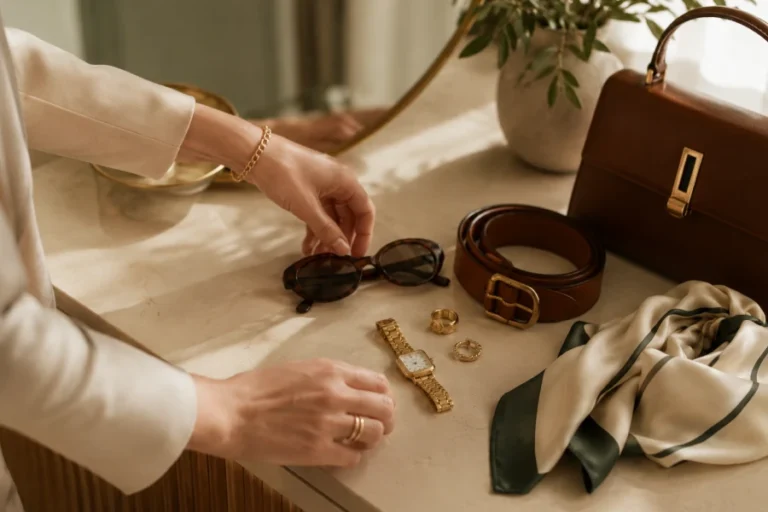
A signature accessory is easy to recognize but not difficult to wear. It might be gold hoops, a silk scarf, a structured handbag, or a slim leather belt. The piece should feel aligned with your personality. It should also work with your existing wardrobe. A signature does not need to be expensive. It needs consistency. If you repeat a detail often enough, it becomes part of your visual language. This is where personal style accessories become useful. They make outfits feel unmistakably yours.
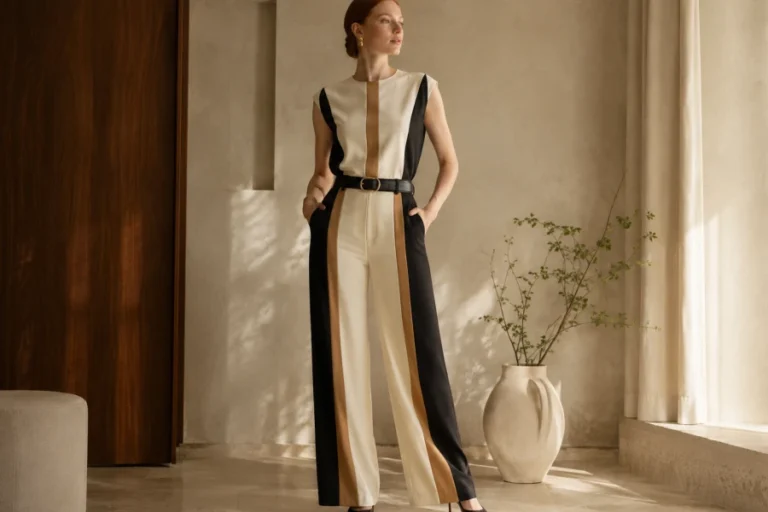
Balance prevents accessories from feeling crowded. If your earrings are bold, keep the necklace softer. If your bag is sculptural, let the shoes stay simple. If your scarf has pattern, avoid adding too many competing details. Fashion accessories styling should support the outfit instead of overpowering it. The goal is harmony. You want the look to feel edited. You also want enough interest to avoid blandness. A good outfit usually has one clear accessory moment. Everything else should quietly support it.
Texture makes accessories feel richer. Leather, silk, suede, metal, straw, and woven materials each carry a different mood. A smooth leather bag sharpens a soft knit. A silk scarf adds movement to tailoring. Gold jewelry warms a neutral palette. Suede shoes can soften a structured outfit. These combinations add dimension without relying on bright color. With effortless styling details, texture becomes an easy way to make simple outfits feel elevated. It is subtle, but it reads immediately.
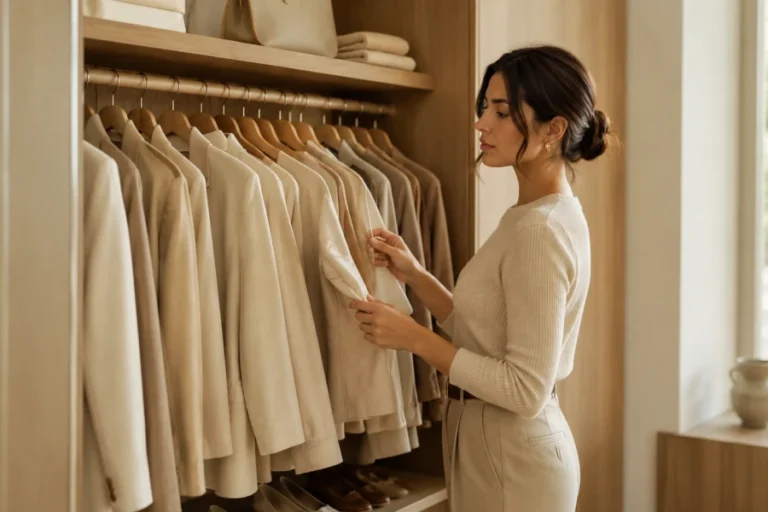
A strong accessory wardrobe should not be huge. It should be clear. Start with pieces that solve common outfit problems. Choose one everyday belt, one polished bag, one casual bag, one refined shoe, and a few jewelry options. Add seasonal pieces only when they support your style. Avoid buying accessories that work with nothing else. The best pieces make multiple outfits better. They also help you dress faster. When accessories have a purpose, they stop feeling like extras. They become the finishing system behind your wardrobe.

Leave a comment