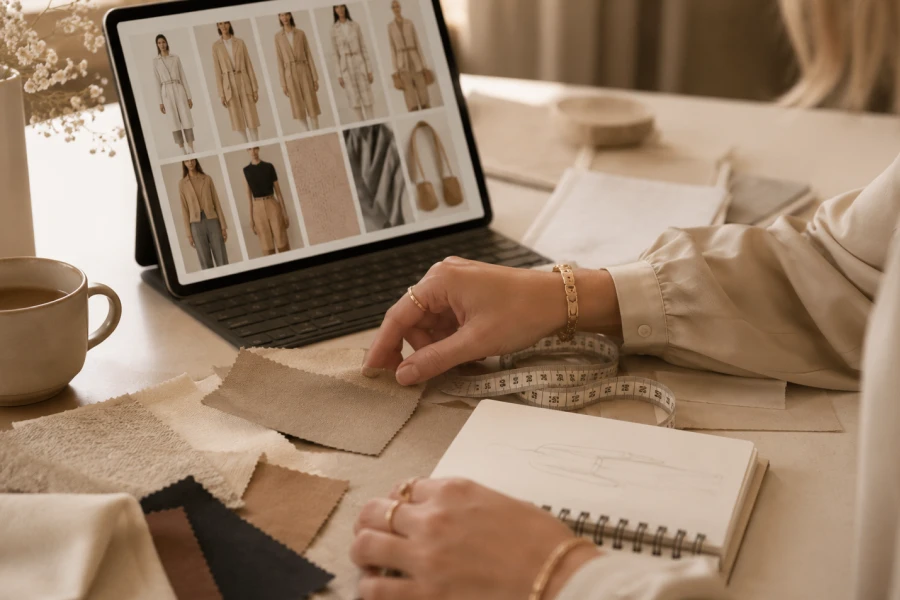
Capsule closet styling changes the way you see your wardrobe. Instead of asking what to buy next, you ask what already works harder. That question creates a smarter relationship with your clothes. You begin noticing repeatable silhouettes, reliable colors, and pieces that solve real outfit problems. The process feels practical, but it also feels creative. A capsule does not flatten your personality. It gives your personality a cleaner frame. You can still look modern, polished, relaxed, or feminine. The difference is intention. With capsule closet styling, your wardrobe becomes a working system instead of a crowded collection.
The first step is not shopping. It is paying attention. Notice which pieces you reach for without hesitation. Then notice which pieces create stress. A closet edit reveals patterns faster than a mood board. You see repeated colors, favorite shapes, and neglected purchases. This information helps you build honestly. Editing also protects you from buying duplicates. You may not need another black top. You may need a better layering piece. With closet editing system support, capsule closet styling becomes less emotional. It becomes a practical map for better outfits.
Real mornings rarely leave time for complicated styling. That is why formulas matter. A formula is not a uniform. It is a reliable starting point. You might pair relaxed trousers with a fitted knit. You might style denim with a crisp shirt and structured jacket. You might repeat one dress with different shoes. Capsule closet styling works because these combinations reduce friction. They also leave room for mood. You can make a look softer, sharper, or more casual with small changes. The outfit still feels cohesive. Your day starts with less visual noise.
Core pieces should match your daily rhythm. A woman in meetings needs different staples than someone working from home. A frequent traveler needs washable pieces that layer well. A creative professional may need more texture and shape. The best capsule begins with honest lifestyle details. Your closet should not serve an imaginary schedule. It should serve Tuesday morning, Friday dinner, and Saturday errands. Choose pieces that move across those situations. Neutral wardrobe staples help because they cooperate easily. Still, fit and proportion matter more than color alone.
Variety comes from styling, not volume. A white shirt changes when tucked, belted, layered, or worn open. Black trousers shift with flats, boots, heels, or sneakers. A simple dress feels different under a blazer or cardigan. These changes seem small, but they multiply quickly. Capsule closet styling teaches you to see combinations instead of isolated pieces. That mindset makes your wardrobe feel bigger. It also helps you shop more carefully. You stop buying because something looks good alone. You start buying because it improves several outfits. That shift saves money and prevents clutter.
Accessories can support a capsule without overwhelming it. The key is choosing repeatable finishing touches. A slim belt defines shape. A clean tote adds structure. Small gold earrings bring warmth. A silk scarf adds movement. These details help outfits feel styled rather than basic. They also create personality inside a simple wardrobe. Keep the accessory language consistent. Too many competing moods weaken the capsule. A focused set of minimalist accessories gives you flexibility without chaos. That balance keeps the whole closet looking polished.
The biggest benefit appears after the first few weeks. You start repeating outfits without feeling bored. You notice which combinations always work. You also notice gaps with more precision. Maybe you need one better jacket, not five trend pieces. Maybe your shoes limit your styling range. Capsule closet styling makes those needs visible. It turns shopping into problem-solving. That approach feels calmer and more mature. It also builds a wardrobe that ages well. When your closet supports your real life, style becomes easier to maintain. You feel dressed, not decorated.



Leave a comment